Cataract is a clouding of the normally clear lens of the eye.
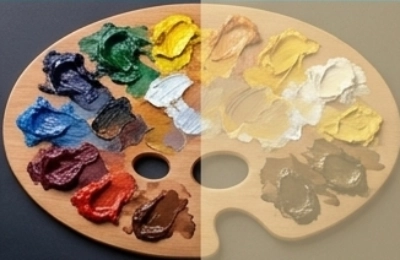
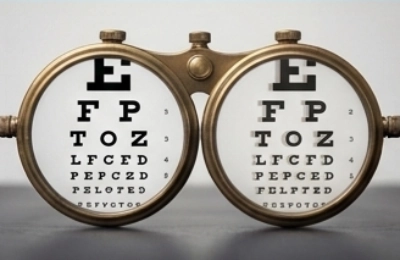
Cataract patients see through cloudy lenses, like seeing through a frosty or fogged-up window. It might be difficult to read, drive a car (particularly at night), or see facial expressions when your vision is clouded. The majority of cataracts develop slowly and don’t affect vision at first.
Initially, better lighting and eyeglasses can aid in improving vision. However, cataract surgery is required after visual impairment interferes with daily activities. Cataract surgery is generally regarded as a safe and effective procedure.
Symptoms



- Risk factors
- Prevention
- Age
- Diabetes
- Excessive exposure to sunlight
- Smoking
- Obesity
- High blood pressure
- Previous eye injury or inflammation
- Previous eye surgery
- Prolonged usage of corticosteroid medicines
- Consuming excessive quantities of alcohol
Several strategies may be helpful, including:
- Routine eye exams
- Stop smoking
- Manage your other health issues
- Choose a nutritious diet
- Wear sunglasses
- Reduce your alcohol consumption
When Should You Consider Surgery?
Cataract surgery is usually recommended when vision loss begins to interfere with daily activities, including:
- Reading and computer work
- Driving safely
- Watching television
- Recognizing faces
- Performing work-related tasks
Our Cataract Surgery Process
- Step 1
- Step 2
- Step 3
- Step 4
Comprehensive Eye Examination
Detailed assessment and lens measurements.
Personalized Lens Selection
Monofocal, multifocal, or premium lens options.
Minimally Invasive Surgery
Clouded lens removed and replaced with an artificial intraocular lens (IOL).
Follow-Up & Recovery
Most patients notice clearer vision within days.
FAQs
- Is cataract surgery painful?
- How long does the surgery take?
- Will I still need glasses?
- Can both eyes be treated?
No. The procedure is performed with local anesthesia and is generally painless.
Usually 8–15 minutes per eye.
Many patients need less dependence on glasses, depending on the lens chosen.
Yes. Each eye is usually treated separately on different dates.



















 أنقر هنا
 أنقر هنا